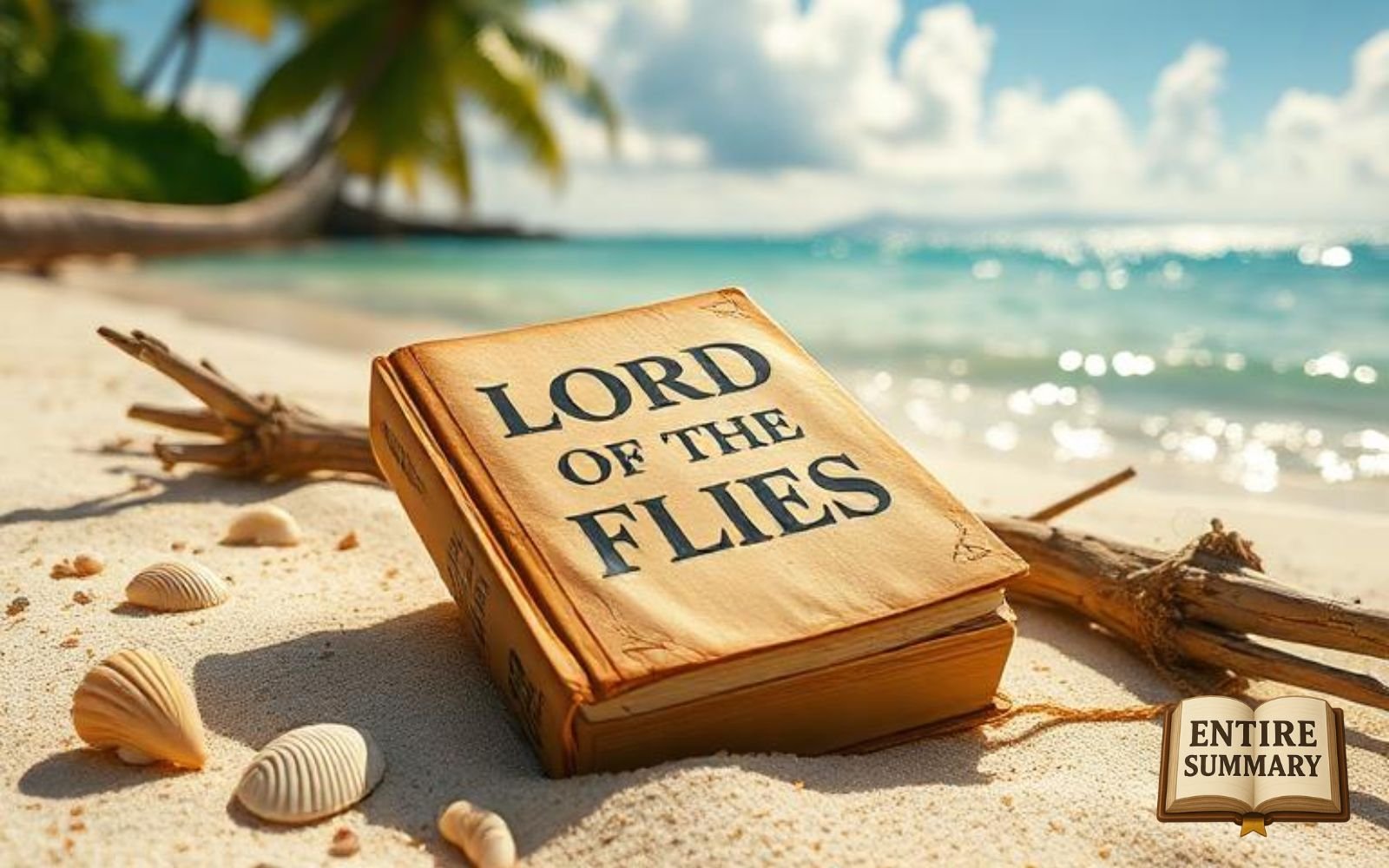
The novel Lord of the Flies is one of the most compelling dystopian novels in modern literature, exploring the fragile line between order and chaos. It tells the story of a group of British schoolboys who survive a plane crash on a deserted island. Stripped of societal rules, the boys attempt to establish democratic order, but fear, ambition, and primal instincts soon lead to civilization collapse. The story examines human nature, exposing how quickly innocence can be lost when survival instincts take over. Golding’s work continues to resonate because it questions whether morality survives without society.
The island becomes both a playground and battlefield, as the boys construct shelters and a signal fire, yet slowly succumb to savagery vs civilization conflicts. From the earliest chapters, the tension between Ralph (character) and Jack Merridew showcases a leadership struggle, while characters like Piggy (character) and Simon (character) provide moral and philosophical contrast. Fear and hysteria rise as the boys confront the external vs internal beast, making the island a microcosm for human evil. Through its thematic elements and motifs and symbols, the novel paints a vivid picture of humanity stripped to its core.
About the Author – William Golding Biography
William Golding was born in 1911 in Cornwall, England, and his experiences profoundly influenced his exploration of human nature in literature. Serving in WWII, Golding witnessed firsthand the destructive potential of society, shaping his belief in the instinctual evil inherent in humanity. His writing, especially Lord of the Flies, reflects a moral allegory set against the backdrop of post-WWII literature and the emerging atomic age, where societies grappled with questions of morality, leadership, and survival in the face of potential annihilation.
Golding’s literary career was defined by his philosophical insights into society and the psyche. Lord of the Flies was published in 1954, immediately establishing his reputation as a keen observer of civilization collapse. The novel’s enduring relevance lies in its exploration of psychological tension, fear of the unknown, and moral questions that resonate across generations. He later received the Nobel Prize in Literature, affirming the global literary significance of his work. Golding’s ability to weave philosophical allegory into gripping narratives makes him a cornerstone of 20th-century literature.
Who Should Read Lord of the Flies?
Anyone fascinated by human behavior, social psychology, or moral dilemmas will find Lord of the Flies compelling. Students, educators, and readers exploring the nature vs nurture debate can gain insights from the boys’ struggle with tribal hierarchy, leadership conflict, and the consequences of unchecked primal instincts. The novel also offers lessons for adults about the fragility of civilization and how fear can trigger chaotic revelry even among the young.
The story is particularly relevant for readers interested in island survival, moral allegories, or the dynamics of survival instincts under pressure. By observing the boys’ ritual dance and escalating tribal violence, readers confront uncomfortable truths about human evil and the ease with which society’s rules can collapse. Those who seek philosophical reflection alongside adventure will find Golding’s exploration of external vs internal beast both thrilling and enlightening. The novel encourages contemplation of how moral questions manifest in both personal and collective behavior.
Book Structure and Themes
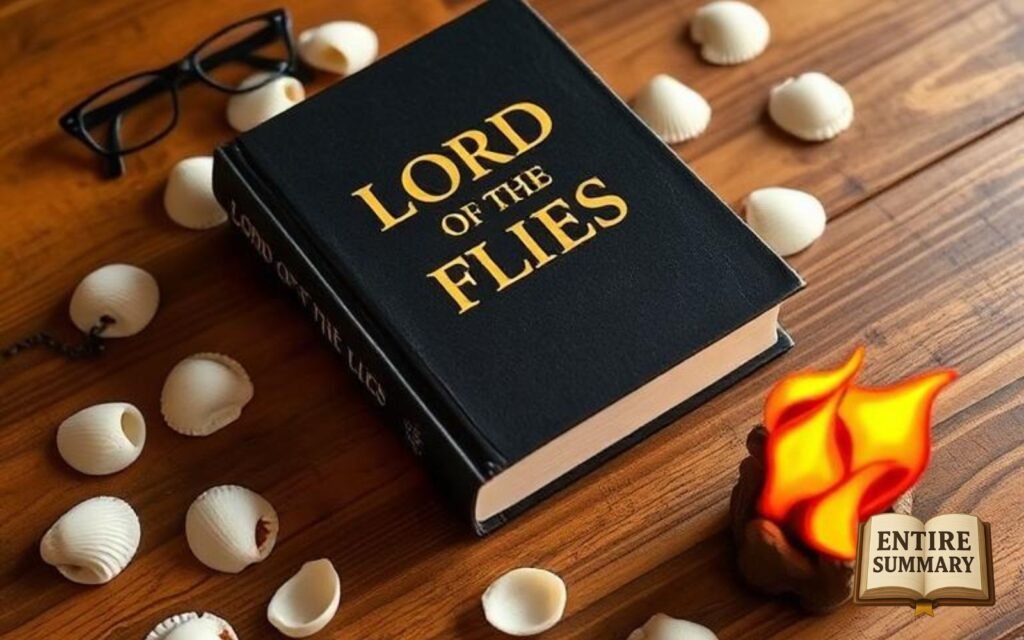
Lord of the Flies unfolds over 12 chapters in a chronological narrative, following the boys from the plane evacuation to their ultimate rescue by a British naval officer. The novel’s structure supports a study of leadership struggle, savagery vs civilization, and the gradual unraveling of democratic order. Golding uses symbolic objects like the conch shell as law and Piggy’s glasses to reinforce themes of authority, rationality, and human frailty. The signal fire maintenance and forest fire accident serve as pivotal events highlighting the tension between responsibility and instinctual evil.
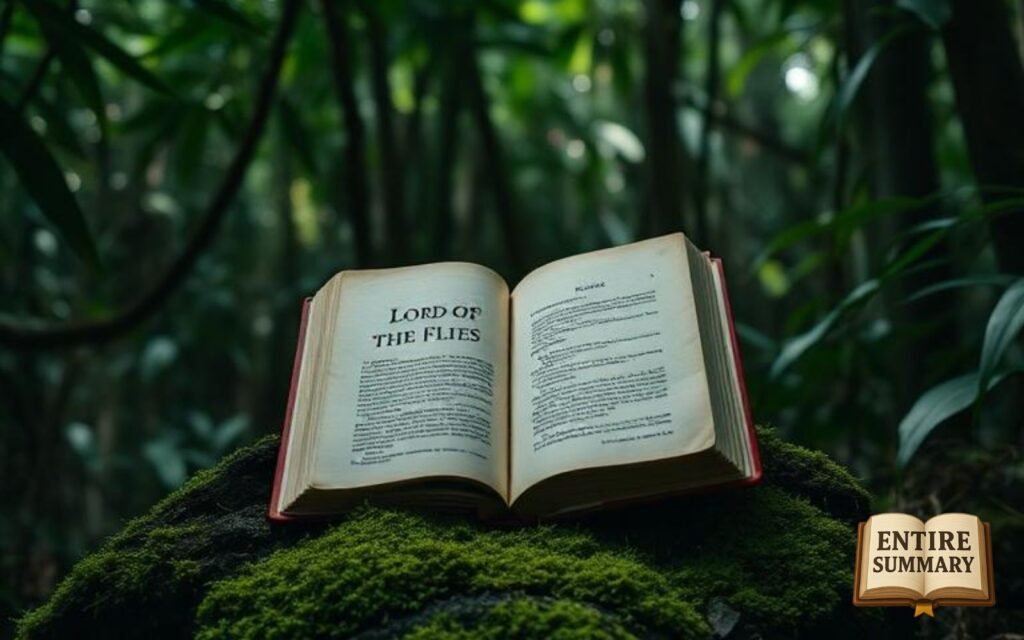
The novel’s thematic elements include fear, violence, and the loss of innocence. Human nature is dissected through the interactions of Ralph (character), Jack Merridew, Simon (character), and others, revealing how survival instincts can override morality. Golding contrasts civilization collapse with the psychological tension of maintaining order, offering a philosophical allegory about the duality of humanity. Island survival, hunting obsession, and the boys’ descent into chaotic revelry illustrate the stark consequences when societal rules vanish.
Chapter-by-Chapter Summary
Chapter-by-chapter analysis provides a clear understanding of the narrative progression and symbolic objects that drive the story. From the discovery of the conch shell in Chapter 1 to the climactic tribal violence in Chapter 12, each chapter reveals how primal instincts, fear of the unknown, and leadership conflict escalate. Ralph’s attempts to maintain democratic order contrast sharply with Jack’s obsession with hunting, which culminates in the creation of the hunters tribe. Simon (character) acts as a moral anchor, confronting the external vs internal beast and illustrating the persistence of goodness amidst pervasive human evil.
The chapter-by-chapter plot also highlights key events such as the parachutist incident, which the boys mistake for a monster, triggering psychological tension and escalating fear. The signal fire maintenance and forest incidents underscore the consequences of negligence and illustrate the broader themes of responsibility, morality, and the fragility of order. The boys’ journey on the tropical island offers a microcosm for examining the loss of innocence and the dynamics of tribal hierarchy, making the narrative both an adventure story and a profound moral allegory.
Key Characters in Lord of the Flies
The novel’s impact comes largely from its vivid characters, each representing different aspects of human nature, primal instincts, and leadership conflict. The following table summarizes the main characters, their roles, and symbolic meaning:
| Character | Role in the Story | Symbolic Meaning/Traits |
|---|---|---|
| Ralph | Elected leader, organizes signal fire | Order, civilization, democratic order |
| Jack Merridew | Leader of the hunters tribe | Primal instincts, savagery, desire for power |
| Piggy | Intellectual, inventor of conch shell | Reason, intelligence, fragility of society |
| Simon | Sensitive, spiritual boy | Moral insight, awareness of external vs internal beast |
| Littluns | Youngest boys | Innocence, fear, loss of innocence |
| Roger | Jack’s sadistic follower | Human evil, cruelty, tribal violence |
This table clarifies each character’s contribution to the unfolding leadership struggle and emphasizes the recurring motifs and symbols that Golding uses to explore savagery vs civilization.
Major Symbols and Motifs
The novel is rich in symbolic objects and recurring motifs, which help convey Golding’s moral allegory and the tension between civilization collapse and primal instincts. The following table organizes the most important symbols and their meanings:
| Symbol/Motif | Description | Thematic Significance |
|---|---|---|
| Conch Shell | Used to call meetings and enforce rules | Represents democratic order, authority, law |
| Piggy’s Glasses | Needed for starting the signal fire | Symbol of reason, intellect, survival |
| Signal Fire | Fire maintained to attract rescue | Hope, connection to society, consequences of neglect |
| Lord of the Flies (Pig’s Head) | Left as offering during hunt | Instinctual evil, fear, darkness within humans |
| Castle Rock | Rocky stronghold where Jack sets up his tribe | Tribal hierarchy, power, leadership conflict |
| Parachutist Incident | Dead parachutist mistaken for a beast | Amplifies fear of the unknown, external vs internal beast |
These tables provide readers with a quick reference to understand the chapter-by-chapter plot, the symbolic depth of Lord of the Flies, and the philosophical allegory Golding intended.
Important Quotes from Lord of the Flies
Golding’s prose is rich with philosophical allegory and thematic elements. One memorable quote is, “Maybe there is a beast… maybe it’s only us,” which encapsulates the external vs internal beast and the innate instinctual evil within humanity. Another key quote, “The conch exploded into a thousand white fragments and ceased to exist,” highlights the destruction of democratic order and the symbolic end of civilization collapse.
The death of Simon prompts reflection on moral questions: “Simon’s body rested… a sense of the terrible invisible force of the island.” This moment exemplifies the consequences of fear and hysteria and the boys’ descent into tribal violence. Even minor lines, like Piggy’s observation that “We’ve got to have rules… the conch,” underscore the importance of structure and signal fire maintenance. These quotes illuminate Golding’s exploration of human evil, primal instincts, and the tension between civilization and savagery, giving readers insight into the novel’s enduring literary significance.
Critical Analysis and Review
Lord of the Flies stands out for its multi-layered approach to island survival and the complexities of human nature. Golding employs narrative progression to gradually reveal the fragility of democratic order. The contrast between Ralph’s structured leadership and Jack’s hunting obsession creates a dramatic leadership conflict. The author’s portrayal of tribal hierarchy and the ritual dance captures the seductive allure of power and the ease with which primal instincts override morality.
The novel also functions as a philosophical allegory. Through symbolic objects, psychological tension, and the parachutist incident, Golding investigates whether humans are inherently evil or shaped by circumstance. Savagery vs civilization is explored not just through actions, but through the boys’ internal struggles. The story’s progression, from the formation of rules to the brutal end at the beach, presents a chilling case study of fear of the unknown, chaotic revelry, and external vs internal beast, making Lord of the Flies a profound exploration of human evil, morality, and the consequences of societal breakdown.
Lessons and Morals from Lord of the Flies
The novel teaches readers that civilization collapse is a constant risk when survival instincts overshadow morality. It highlights the importance of empathy, cooperation, and vigilance in maintaining order. Through Ralph’s struggle, the consequences of failing to uphold signal fire maintenance and the conch shell as law are made clear, demonstrating that leadership requires responsibility and fairness. Fear and hysteria illustrate how panic can escalate into destructive actions, while tribal violence shows the danger of mob mentality.
Golding also emphasizes the role of human nature in moral decisions. The external vs internal beast is a reminder that evil resides within, not just in society. The deaths of Simon (character) and Piggy (character) underscore the loss of innocence and the high cost of moral failure. Ultimately, the novel encourages readers to reflect on moral questions, psychological tension, and the consequences of ignoring ethical responsibility, making it a timeless study of both primal instincts and civilized restraint.
Lord of the Flies Adaptations
Lord of the Flies has inspired multiple adaptations, each interpreting Golding’s themes differently. The 1963 and 1990 films visualize the deserted island, tribal violence, and hunters tribe dynamics, emphasizing the leadership conflict and the signal fire as a symbol of hope. Stage adaptations highlight the ritual dance and the Lord of the Flies (symbol), bringing philosophical allegory to life through performance.
Educational adaptations often focus on chapter-by-chapter plot, motifs and symbols, and thematic elements to facilitate discussions about savagery vs civilization, external vs internal beast, and moral allegory. Case studies of these adaptations reveal how visual and dramatic representations can enhance understanding of civilization collapse, human evil, and the consequences of tribal hierarchy in extreme situations.
FAQs About Lord of the Flies
1. What is the summary of the Lord of the Flies?
A group of British schoolboys survive a plane crash on a deserted island and struggle between civilization and savagery, leading to chaotic revelry, tribal violence, and tragic deaths before a British naval officer rescues them.
2. Why was Lord of the Flies banned?
It was banned due to graphic violence, disturbing themes, strong language, and its portrayal of human evil, fear, and tribal chaos, which some consider inappropriate for young readers.
3. Why was Piggy killed?
Piggy (character) was killed when Roger rolled a boulder during a leadership conflict, symbolizing the complete collapse of civilization and the triumph of primal instincts over reason.
4. What is the deeper meaning of the Lord of the Flies?
The novel explores human nature, instinctual evil, and the fragility of moral order, showing how fear, power struggles, and savagery vs civilization can destroy society.
5. What is the main theme of Lord of the Flies?
The main theme is the tension between civilization and savagery, emphasizing loss of innocence, fear and hysteria, and the dark side of human nature.
6. Is Piggy’s real name ever revealed?
Yes, Piggy’s real name is never revealed; Golding intentionally keeps it anonymous to emphasize how the boys dehumanize and isolate him.
7. Is Lord of the Flies a real story?
No, it is a fictional dystopian novel, though inspired by William Golding’s wartime experiences and psychological observations of human behavior.
8. What is the most banned book ever?
Lord of the Flies is among the most challenged books, alongside classics like To Kill a Mockingbird and 1984, due to violence, sexual content, and controversial themes.
9. What is the main message of the book?
The novel warns that without rules and moral guidance, humans can revert to savagery, and civilization is fragile in the face of fear and instinctual evil.
10. Who murdered Simon in Lord of the Flies?
Simon is killed by the frenzied boys during a ritual dance, who mistake him for the beast, illustrating mob mentality and fear of the unknown.
11. Who is the true villain in Lord of the Flies?
The true villain is human nature itself, though characters like Jack Merridew and Roger embody instinctual evil, tribal violence, and the collapse of moral order.
Epilogue – Final Thoughts
Lord of the Flies remains a timeless exploration of human nature, morality, and the delicate balance between order and chaos. By examining island survival, leadership struggle, and the consequences of primal instincts, readers gain insight into the fragility of democratic order and the persistence of instinctual evil. The boys’ experiences—from building the signal fire to the tragic tribal violence—illustrate the profound consequences of civilization collapse.
Ultimately, Golding’s novel is more than a story of stranded children; it is a philosophical allegory examining the duality of man, the loss of innocence, and the ongoing tension between savagery vs civilization. Its lessons resonate today, reminding us that morality, empathy, and vigilance are essential in confronting both fear and hysteria and the darkness within every individual. Through symbolic objects, motifs and symbols, and the chapter-by-chapter plot, Lord of the Flies continues to challenge readers, provoke discussion, and cement its place as a cornerstone of post-WWII literature.