
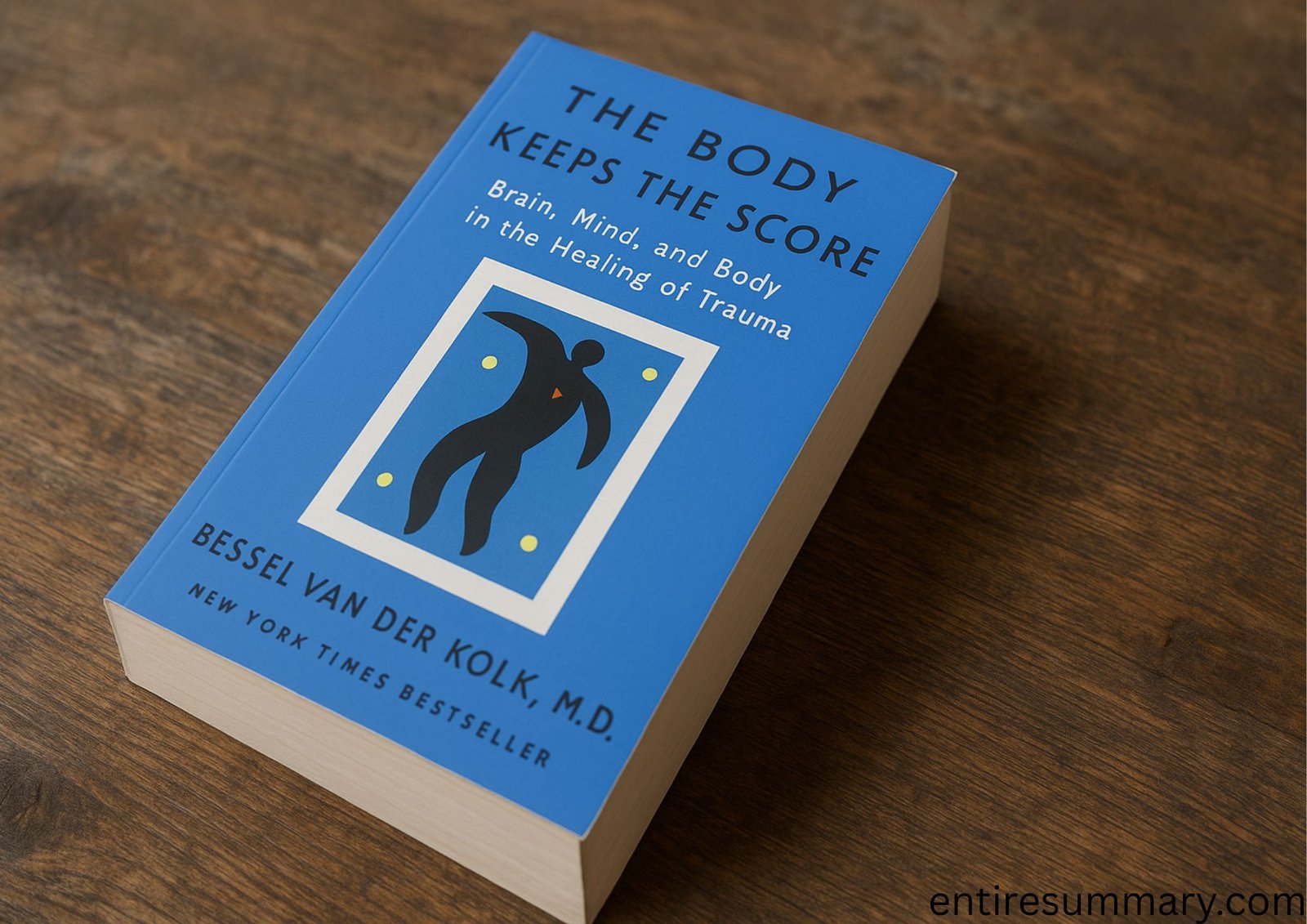
Bessel van der Kolk’s groundbreaking book, The Body Keeps the Score, is more than just another title on the bookshelf; it’s a profound journey into the science and treatment of trauma. This isn’t a self-help book filled with quick fixes. Instead, it’s a deep, compassionate, and scientifically-backed exploration of how trauma physically changes us—our brains, our bodies, and our relationships. Van der Kolk, a leading psychiatrist in the field, doesn’t just describe the problem; he illuminates a path toward healing. Here’s a summary of its key ideas and lasting impact.
The Unspoken Language of Trauma
The first half of The Body Keeps the Score dives deep into the nature of trauma itself. Van der Kolk argues that trauma isn’t just a mental state; it’s a physiological event. He explains how the brain’s alarm system, the amygdala, goes into overdrive during a traumatic event, while the prefrontal cortex, responsible for rational thought, effectively shuts down. This creates a lasting impact, as the body remembers the terror and helplessness even when the conscious mind can’t articulate it.
- The Brain’s Response: Van der Kolk details how trauma affects key brain regions. He explains that the verbal part of our brain, Broca’s area, becomes less active during a traumatic recall, which is why survivors often find it hard to put their experiences into words. Instead, the memory is stored in the body, manifesting as physical symptoms like chronic pain, digestive issues, and a constant feeling of being on high alert.
- The Problem of Talking: For decades, the primary treatment for trauma was talk therapy, but Van der Kolk shows that for many people, simply talking about the event isn’t enough. In fact, it can sometimes re-traumatize them. He introduces the concept that the body’s physical memory of the event needs to be addressed directly.
- Childhood Trauma’s Impact: A significant portion of the book focuses on the lasting effects of childhood trauma and neglect. He explains that a child’s brain, still developing, is highly susceptible to the effects of chronic stress. This can lead to a host of problems later in life, including difficulties with emotional regulation, attachment issues, and an inability to feel safe in the world.

Finding a Path Back to Safety
In the second half of the book, Van der Kolk shifts from defining the problem to exploring the solutions. He argues that healing from trauma is about helping the body and mind reconnect and feel safe again. He introduces a range of innovative therapies that move beyond traditional talk therapy and engage the body directly.
Also read: /the-man-who-mistook-his-wife-for-a-hat/
- Rethinking Treatment: The book presents a powerful case for treatments that focus on the body, such as Eye Movement Desensitization and Reprocessing (EMDR) and Trauma-Sensitive Yoga. EMDR, for example, helps a person process traumatic memories by using bilateral stimulation, while yoga helps survivors reconnect with their bodies in a gentle and non-threatening way. These approaches are powerful because they address the physiological memory of trauma without relying solely on verbal narratives.
- The Power of Connection: Van der Kolk emphasizes that a core part of healing is the ability to form healthy, secure relationships. Trauma often isolates people, making them feel like they’re the only ones who can understand their pain. The book highlights the importance of safe, therapeutic relationships where survivors can learn to trust others and themselves again.
- The Role of Neurofeedback: Another key idea is the use of neurofeedback, a technique that helps people learn to consciously regulate their brain activity. By showing them how their brain responds to certain stimuli, neurofeedback empowers survivors to gain control over their hyper-aroused or shut-down nervous systems.
Key Takeaways from The Body Keeps the Score
- Trauma is Not Just a Story: The book’s central message is that trauma is stored in the body, not just the mind. This changes how we should approach healing, moving beyond talk and into somatic (body-based) therapies.
- Healing Requires Connection and Safety: A key element of recovery is the ability to feel safe in one’s own body and in the presence of others. This is why supportive relationships and a sense of community are so crucial.
- The Body Can Be an Ally: Instead of seeing the body’s physical symptoms as a problem, Van der Kolk encourages us to see them as signals. By listening to what the body is saying, we can begin the process of understanding and healing our trauma.
- Healing Is a Process of Integration: The goal of trauma treatment is not to erase the past but to help the brain and body integrate the experience in a way that allows the person to move forward without being constantly haunted by it.

FAQs About The Body Keeps the Score
1. What is the main thesis of The Body Keeps the Score?
The book argues that trauma is not merely a psychological experience but a physical one that profoundly affects the brain and body. It asserts that effective treatment must address these physiological changes, not just the mental narrative.
2. What is the significance of the title?
The title, The Body Keeps the Score, refers to the idea that traumatic experiences are recorded not just in our minds but in our physical selves. This physical “score” can manifest as chronic pain, anxiety, and other health issues that persist long after the event is over.
3. What is “somatic therapy,” and why is it important according to the book?
Somatic therapy is any therapeutic approach that focuses on the body. Van der Kolk argues it’s important because traditional talk therapy can sometimes re-traumatize survivors. By engaging the body directly through methods like yoga or EMDR, somatic therapies can help release the stored trauma.
4. How can a person apply the book’s lessons in their daily life?
You can start by becoming more aware of your body’s signals. When you feel anxious or triggered, instead of just trying to “think your way out of it,” notice what’s happening physically. Also, consider trying body-based practices like yoga, meditation, or even simply walking to help you reconnect with your physical self.
5. According to the book, how do relationships contribute to the healing process?
Healthy relationships are seen as a cornerstone of healing. Trauma often makes it difficult to trust others, so building secure, non-judgmental connections can help a person feel safe and learn to regulate their emotions in the presence of others.
6. Does the book offer hope for people with severe trauma?
Yes, the book is incredibly hopeful. While it doesn’t shy away from the immense challenges of trauma, it provides a clear framework for healing and recovery. Van der Kolk’s research and clinical experience show that with the right therapeutic approaches, even severe trauma can be healed.
7. Is this book only for people who have experienced major traumatic events?
This book is for anyone interested in the way the brain and body react to stress and difficult situations. It helps to shed light on why even seemingly small experiences of chronic stress or neglect can have a lasting impact on our physical and emotional well-being.
Final Thoughts
The Body Keeps the Score is a landmark book that has fundamentally changed the conversation around trauma. It’s a challenging but essential read, offering a powerful blend of scientific insight and compassionate understanding. If you’re looking for a book that goes beyond the surface to explain the true nature of trauma and recovery, this is it. If you found this book impactful, you might also find Peter A. You may find Levine’s book, Waking the Tiger: Healing Trauma, to be a valuable and insightful addition to your reading.
