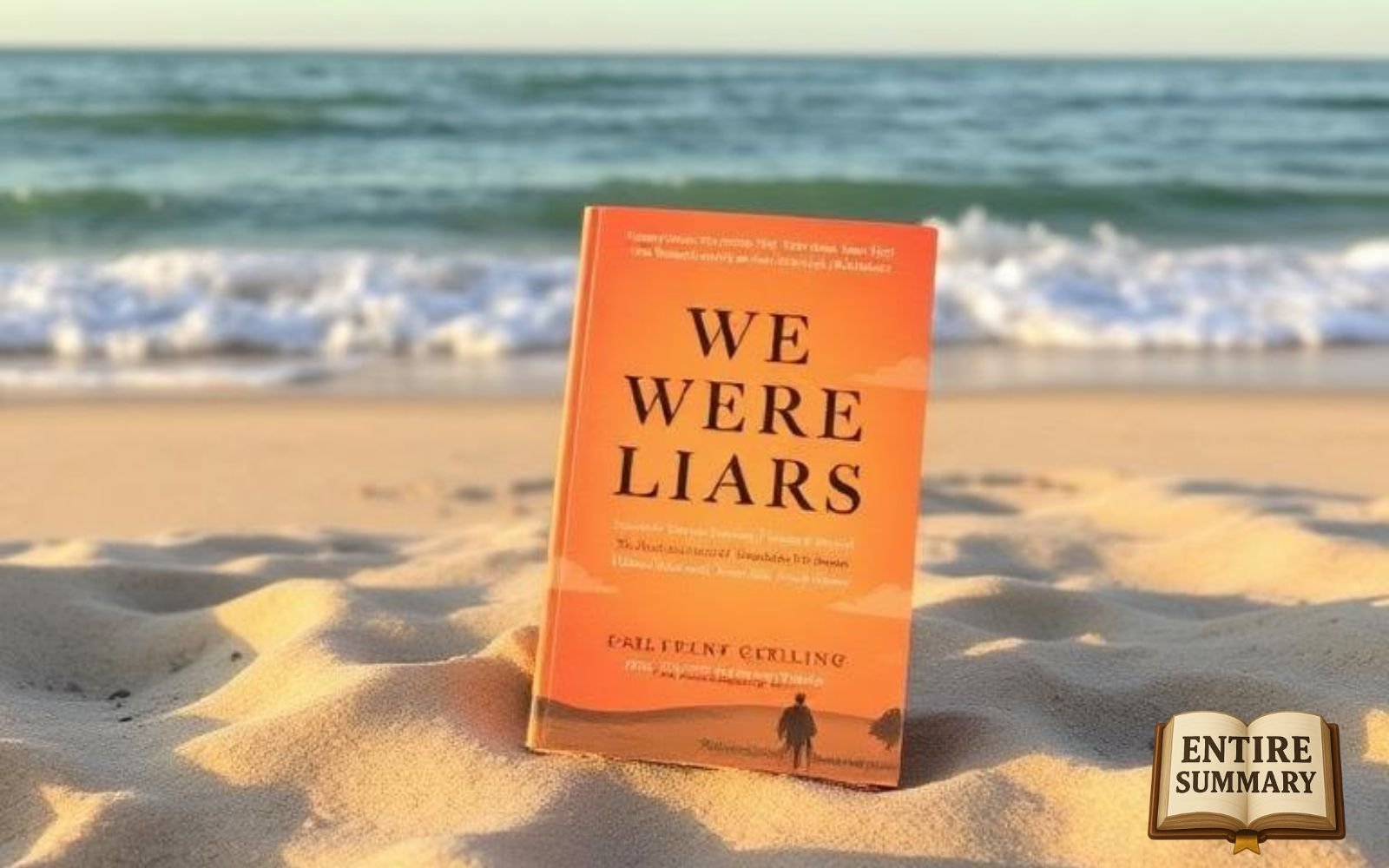
We Were Liars by E. Lockhart is a gripping psychological thriller YA that explores the dark and twisted lives of the Sinclair family. The story revolves around Cadence Sinclair Eastman, the eldest grandchild of a wealthy American dynasty, and her close group of friends known as The Liars (book characters). Set on the secluded Beechwood Island setting, this young adult fiction novel examines the intersections of wealth and privilege in literature, family secrets and dysfunction, and the haunting effects of memory loss and trauma. The narrative is filled with suspense, emotional tension, and a shocking plot twist in We Were Liars that leaves readers questioning what is real and what is imagined.
The novel is especially acclaimed for its portrayal of amnesia and trauma in YA fiction, following Cadence Sinclair Eastman as she struggles to piece together her memories from Summer Fifteen and Summer Seventeen. After a mysterious head injury in YA novels, Cadence experiences chronic migraines in fiction and memory gaps, leaving the truth of the fire incident in the Sinclair family and other tragedies shrouded in mystery. Through the lens of an unreliable narrator in books, the story unravels themes of forbidden love, betrayal, and the heavy consequences of decisions made in youth.
About the Author – E. Lockhart
E. Lockhart, the pen name of Emily Jenkins, is a highly acclaimed author of E. Lockhart books that blend lyrical prose with complex emotional storytelling. Known for her ability to craft suspenseful YA thrillers and deep young adult grief stories, Lockhart has received the Goodreads Choice Award Best YA Fiction and created stories that resonate with readers through themes of identity and self-discovery. Her writing often combines non-linear storytelling YA with poetic imagery, which is evident in the fragmented narrative of We Were Liars.
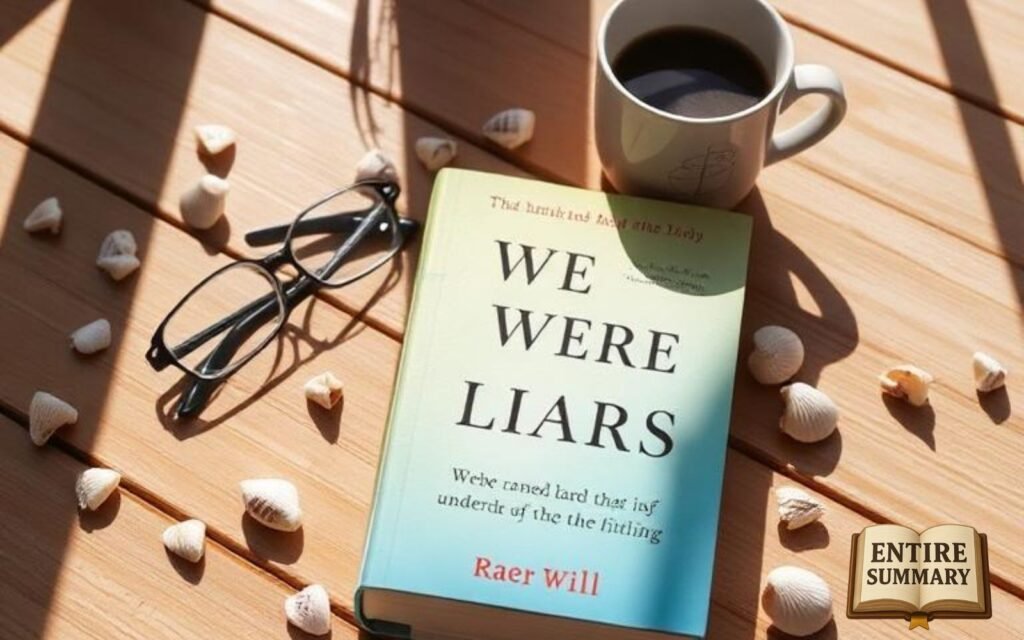
Lockhart’s works frequently explore complex family relationships in novels, the psychological consequences of denial, and tragedy and forbidden love in YA fiction. Beyond We Were Liars, she authored the Ruby Oliver series and novels like Genuine Fraud and The Disreputable History of Frankie Landau-Banks. Her style, writing style E. Lockhart, uses lyrical prose in YA fiction to give readers an immersive experience, blending real-world social commentary with allegorical storytelling and fairy tale motifs that heighten both suspense and moral reflection.
Synopsis of We Were Liars
At its heart, We Were Liars tells the story of Cadence Sinclair Eastman and her summers on Beechwood Island setting, a private island owned by the Sinclair family. The plot unfolds around The Liars (book characters)—Cadence, her cousins Johnny and Mirren, and Gat Patil, the outsider perspective who challenges the family’s insular worldview. The novel explores the dark secrets of wealthy families, family secrets and dysfunction, and the pressures of maintaining a flawless public image. Readers are drawn into the story through Cadence’s memory loss and recovery, gradually revealing the tragic events of Summer Fifteen and Summer Seventeen.
As Cadence struggles with amnesia and trauma in YA fiction, the story slowly uncovers the fire incident in the Sinclair family, the inheritance disputes in literature, and the intense emotional repercussions of rebellion. The novel is both a tragic love story YA and a profound exploration of grief, guilt, and the psychological consequences of denial. Themes of love and loss in young adult novels, moral dilemmas in family drama, and the consequences of actions in fiction emerge powerfully as readers follow Cadence’s journey to uncover hidden truths and confront the tragic consequences of privilege.
Detailed Plot Summary
The novel begins by introducing Cadence Sinclair Eastman, who returns to Beechwood Island setting after two years of absence caused by her mysterious head injury in YA novels. Her summers had always been spent among fictional summer estates (Clairmont, Cuddledown, Windemere), where she and The Liars (book characters) formed an inseparable bond. During Summer Fifteen, Cadence suffers an accident that leaves her with memory loss and recovery challenges, chronic migraines in fiction, and emotional instability. The narrative tension builds as she attempts to reconcile her fragmented recollections with the dark family saga around her.
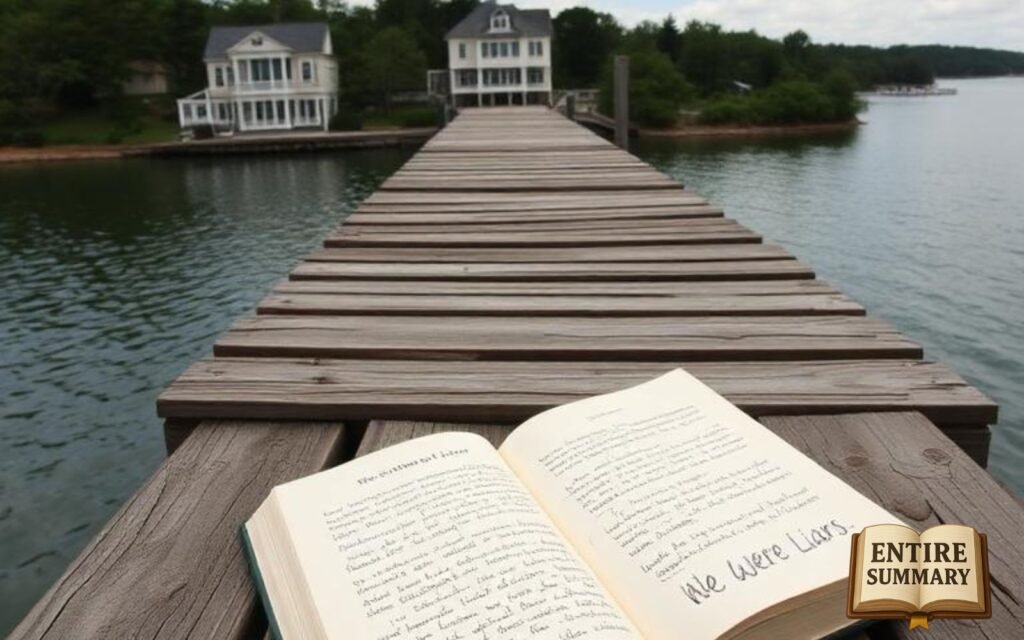
As the story moves to Summer Seventeen, Cadence notices changes in the Sinclair family drama. Her grandfather, Harris Sinclair, is weakened by age, and the symbolic destruction of Clairmont House has replaced the old estate with a modern, cold mansion. The other Liars behave strangely, hinting at the tragedy that occurred during her amnesic summer. Cadence’s journey involves deciphering hallucinatory encounters, flashbacks, and layers of deception. Through the unreliable narrator in books, readers experience her hallucinations and grief, the psychological consequences of denial, and the painful revelation of the fire incident in the Sinclair family, culminating in a plot twist in We Were Liars that redefines the entire story.
Chapter Summary Table
| Chapter/Section | Key Events | Emotional Impact |
|---|---|---|
| Summer Fifteen | Cadence meets Gat, forms bond with The Liars, accident occurs | Confusion, fear, beginnings of grief |
| Vermont Interlude | Cadence explores personal reflection, coping with trauma | Isolation, self-discovery, identity struggle |
| Summer Seventeen | Return to island, confronts changes, flashes of memory | Suspense, anticipation, emotional tension |
| Fire Revelation | Truth about accident, Liars’ deaths revealed | Shock, heartbreak, realization of consequences |
| Healing and Closure | Cadence accepts truth, begins emotional recovery | Emotional payoff in literature, moral lessons |
Characters and Relationships
The characters in We Were Liars are intricately connected through complex family relationships in novels. Cadence Sinclair Eastman serves as the central figure, her perspective shaped by amnesia and trauma in YA fiction and her love for Gat, the outsider perspective (Gat Patil) who challenges the classism and prejudice in novels. Johnny and Mirren, her cousins, embody loyalty, humor, and youthful energy, but all are caught in the patriarchal family conflict and inheritance disputes in literature. Their friendships highlight the cousins and friendship dynamics that make the tragedy more poignant.
Harris Sinclair, the family patriarch, embodies the dark secrets of wealthy families and exerts control through wealth and privilege in literature. His daughters, Penny, Carrie, and Bess, compete over approval, wealth, and legacy, creating a tense rich family drama. The romantic arc between Cadence and Gat adds a tragic love story YA dimension, while the Liars’ collective rebellion against family oppression illustrates the rebellion and unintended consequences that drive the story’s tragic narrative resolution.
Setting and Atmosphere
Beechwood Island setting is almost a character itself, symbolizing isolation, wealth, and secrecy. The Sinclair estates—Clairmont, Cuddledown, and Windemere—create a microcosm where wealth and privilege in literature clash with human vulnerability. The lush beaches, private estates, and seclusion amplify the dark family saga, making the suspense more palpable and heightening the emotional stakes of memory loss and recovery.
The island’s physical beauty contrasts sharply with the psychological consequences of denial and hallucinations and grief experienced by Cadence. Even brief glimpses of the outside world, such as Cadence’s European travels or her home off the island, underscore the insularity of the Sinclair family drama. The setting emphasizes the social class commentary in literature, illustrating how extreme privilege can distort morality and empathy while creating a gilded cage for the younger generation to navigate.
Themes Explored
We Were Liars delves deep into themes of identity and self-discovery, showing how amnesia and trauma in YA fiction force Cadence to confront her own morality and desires. The story examines consequences of actions in fiction, as the Liars’ rebellion against family oppression leads to devastating outcomes. Issues of classism and prejudice in novels are embodied by Gat’s outsider status, highlighting the tension between wealth, privilege, and empathy. Readers witness how love and loss in young adult novels intersect with grief, guilt, and the moral dilemmas imposed by family loyalty.
Another central theme is the corrosive nature of wealth and privilege in literature. The Sinclair family maintains a facade of perfection, suppressing emotions and dark secrets of wealthy families. The novel also explores the psychological weight of hallucinations and grief, showing how unresolved trauma manifests physically and mentally. Through Cadence’s struggle, Lockhart presents a haunting literary analysis YA novel on the costs of denial, the pressures of inheritance disputes, and the high price of rebellion.
Symbols and Motifs
Symbolism permeates the novel, starting with Clairmont House, which represents patriarchal control and familial legacy. Its symbolic destruction of Clairmont House during the fire embodies both rebellion and irreversible loss. The private Beechwood Island setting symbolizes isolation and the distortion caused by privilege. Cadence’s migraines and memory gaps act as living symbols of mental and physical consequences of trauma, reflecting the psychological consequences of denial and guilt.
Other motifs include fairy tale allegories in books, which Cadence uses to process her reality, and the names of estates—Clairmont, Cuddledown, Windemere—which reflect the fictional summer estates that shape the narrative’s sense of place. The Liars themselves are symbolic of rebellion against family oppression, youthful idealism, and the struggle for authenticity in a dark family saga. Together, these symbols reinforce the novel’s exploration of identity struggle in adolescence and tragic consequences of privilege.
Writing Style and Narrative Structure
Lockhart’s writing style E. Lockhart is lyrical, fragmented, and highly expressive, perfectly suited to the unreliable narrator in books. Her use of non-linear storytelling YA mirrors Cadence’s fractured memories, creating suspense and a constant sense of unease. Short, poetic sentences often alternate with longer, complex ones, amplifying the emotional impact and reflecting the psychological consequences of denial.
The narrative also includes fairy tale allegories in books, which serve as a subtle yet powerful narrative device. These interludes allow readers to decipher Cadence’s internal conflicts, the moral lessons she grapples with, and the consequences of actions in fiction. Lockhart’s style elevates We Were Liars into a suspenseful YA thriller with both aesthetic beauty and emotional depth, making it a standout among young adult fiction novels that tackle trauma, privilege, and identity.
Memorable Quotes from the Book
Several quotes in We Were Liars perfectly encapsulate the tension between privilege and consequence, memory and truth:
“No one is a criminal. No one is an addict. No one is a failure. The Sinclairs are athletic, tall, and handsome.” This quote highlights wealth and privilege in literature and the family’s obsession with appearances.
“Silence is a protective coating over pain.” A line that represents psychological consequences of denial and how family secrets and dysfunction shape Cadence’s amnesia and migraines.
“Do not accept an evil you can change.” Gat’s principle illustrates rebellion against family oppression, the moral dilemmas in family drama, and the tragic consequences of privilege.
“Not everyone has private islands. Some people work on them. Some work in factories. Some don’t have work. Some don’t have food.” This line underscores classism and prejudice in novels and provides social commentary woven into the dark family saga.
Book Review and Critique
We Were Liars is both mesmerizing and heart-wrenching. The book combines tragic love story YA, hallucinations and grief, and rich family drama into a cohesive narrative. Lockhart’s writing style E. Lockhart elevates the story, blending lyrical prose in YA fiction with non-linear storytelling YA. The plot twist in We Were Liars is expertly foreshadowed, making the emotional payoff in literature feel both shocking and inevitable.
Critics have praised its exploration of identity struggle in adolescence, the psychological consequences of denial, and the portrayal of tragic narrative resolution. While the beginning is deliberately slow, mirroring amnesia and trauma in YA fiction, the buildup heightens suspense. The novel’s handling of inheritance disputes in literature, forbidden love in YA fiction, and moral lessons in young adult books ensures it remains relevant, impactful, and unforgettable.
Comparison to Similar Books
We Were Liars shares thematic and stylistic elements with several popular works. It is reminiscent of The Secret History in its exploration of dark family saga, betrayal, and elite social circles. Fans of suspenseful YA thrillers may also appreciate Sharp Objects for its psychological consequences of denial and exploration of trauma. Meanwhile, novels like Genuine Fraud by E. Lockhart or The Disreputable History of Frankie Landau-Banks share her signature lyrical prose in YA fiction, unreliable narrator in books, and moral dilemmas in family drama.
The novel also stands out in its depiction of wealth and privilege in literature, using the Beechwood Island setting and fictional summer estates to create a sense of both allure and claustrophobic tension. Compared to other tragic love story YA novels, it uniquely combines hallucinations and grief, fire incident in the Sinclair family, and consequences of actions in fiction, creating a layered reading experience that blends suspense, emotion, and social commentary.
Frequently Asked Questions (FAQ)
What is We Were Liars about? The story follows Cadence Sinclair Eastman, exploring memory loss and recovery, family secrets and dysfunction, and the consequences of the fire incident in the Sinclair family.
Is there romance in the book? Yes, the novel contains a tragic love story YA element between Cadence and Gat, exploring forbidden love in YA fiction.
Who are the Liars? The Liars (book characters) include Cadence, her cousins Johnny and Mirren, and Gat Patil, the outsider perspective (Gat Patil).
Why is it called We Were Liars? The title reflects both the family secrets and dysfunction and the deceptions of youth, the moral dilemmas in family drama, and the Liars’ rebellion.
Has it been adapted? Yes, the story is set to release as an Amazon Prime adaptation series, bringing the Beechwood Island setting and dark family saga to screen audiences.
Conclusion – Should You Read It?
We Were Liars is a must-read for fans of suspenseful YA thrillers, psychological consequences of denial, and tragic love story YA. It combines a haunting narrative, hallucinations and grief, complex family relationships in novels, and a jaw-dropping plot twist in We Were Liars. The novel also teaches moral lessons in young adult books and highlights the tragic consequences of privilege in a lyrical, immersive style.
Whether drawn by the allure of wealth and privilege in literature, the exploration of identity struggle in adolescence, or the suspense of uncovering family secrets and dysfunction, readers will find themselves captivated by the emotional payoff in literature, the beauty of lyrical prose in YA fiction, and the unforgettable world of Cadence Sinclair Eastman on Beechwood Island setting. It is a dark, haunting, and emotionally satisfying psychological thriller YA experience that resonates long after the final page.